

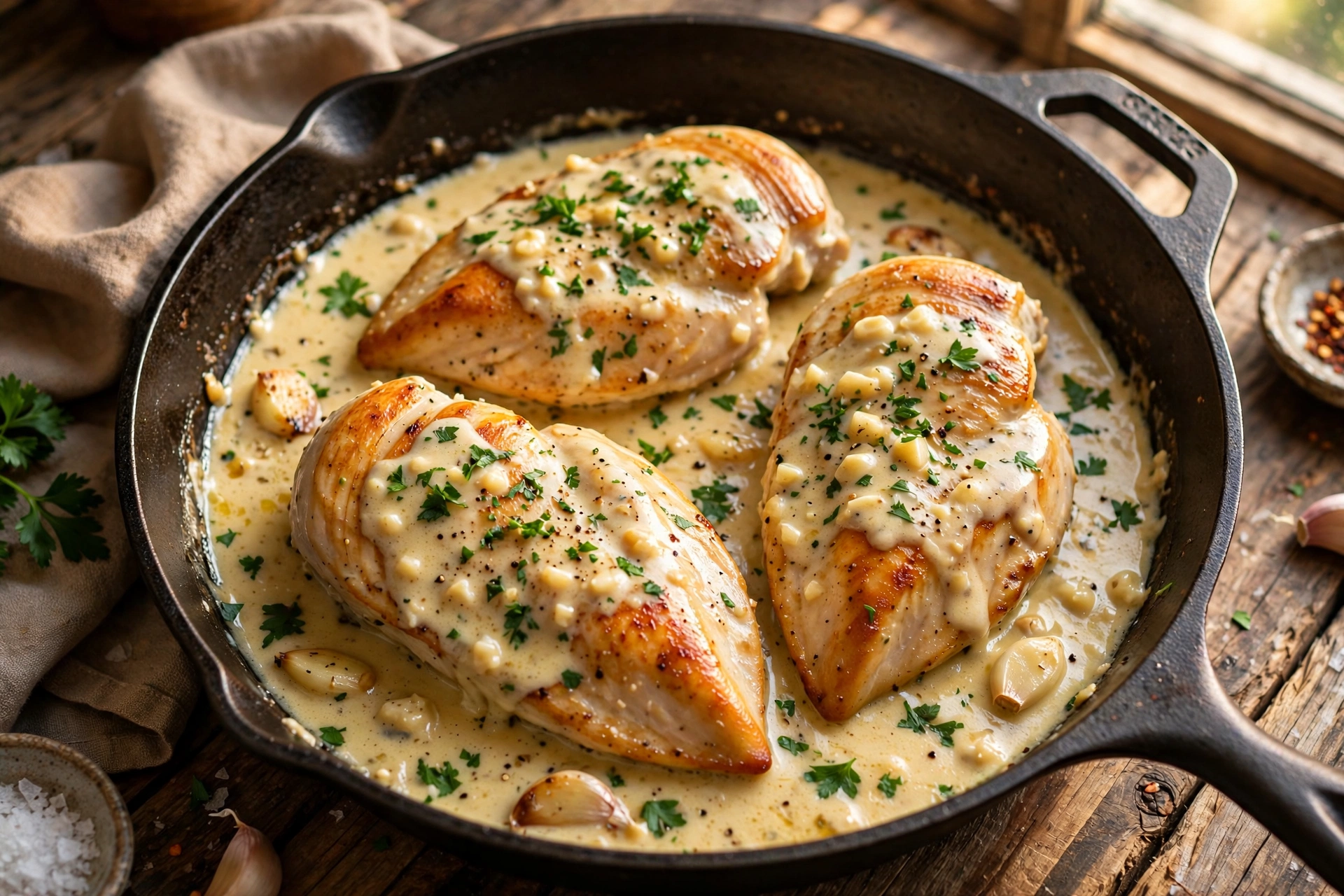
Tuesday night. Everyone is hungry, nobody wants a sink full of dishes, and takeout would take longer than just cooking. This chicken is the answer we come back to again and again. One skillet, a short list of things you probably already have, and chicken that comes out golden and tender under a garlic cream sauce rich enough to feel like a small occasion. It is not fancy. It just works, every single time.
Here is the other thing we love about it: the timing stacks in your favor. The chicken sears while a pot of rice or pasta water comes up to a boil on the back burner. Then, while the chicken rests (it needs those few minutes anyway), the sauce builds in the same pan. Nothing sits around getting cold. Everything lands hot.
The Pan Does Half the Work Here
Flavor in this dish is layered, and the layering happens in one skillet on purpose. The seasoned chicken goes in first and leaves behind browned, sticky bits, the fond, and those bits are not a mess to scrub later. They are the whole point. Butter, garlic, and broth wash them loose and pull them into the sauce, which is why the finished cream tastes deep and savory instead of like, well, plain cream.
Pounding the chicken to an even thickness matters more than any single ingredient. A breast that is thick at one end and thin at the other will always betray you: one end dry, the other still pink. Even thickness means quick, even cooking and juicy meat from edge to edge. And the sauce itself is a balancing act. Butter and cream bring the richness. Garlic brings the punch. A teaspoon of lemon at the very end keeps the whole thing from feeling heavy, and parmesan quietly thickens while it salts.
What Goes Into the Skillet
- 4 boneless, skinless chicken breasts (about 2 pounds total)
- 1 teaspoon kosher salt
- 1/2 teaspoon black pepper
- 1 teaspoon garlic powder
- 1 teaspoon Italian seasoning
- 2 tablespoons olive oil
- 3 tablespoons unsalted butter
- 5 garlic cloves, minced
- 1 cup low-sodium chicken broth
- 1 cup heavy cream
- 1/2 cup freshly grated parmesan cheese, plus more for serving
- 1 teaspoon lemon juice
- 2 tablespoons chopped fresh parsley
How It Comes Together
- Place the chicken breasts between two sheets of plastic wrap and pound them to an even 3/4-inch thickness. Pat dry with paper towels.
- Season both sides with the salt, pepper, garlic powder, and Italian seasoning.
- Heat the olive oil in a large skillet over medium-high heat. Add the chicken and sear for 5 to 6 minutes per side, until deeply golden and cooked to 165°F in the thickest part. Transfer to a plate and tent loosely with foil.
- Reduce the heat to medium. Melt the butter in the same skillet, scraping up the browned bits with a wooden spoon. Add the minced garlic and cook for 30 to 45 seconds, just until fragrant.
- Pour in the chicken broth and simmer for 2 to 3 minutes, letting it reduce slightly.
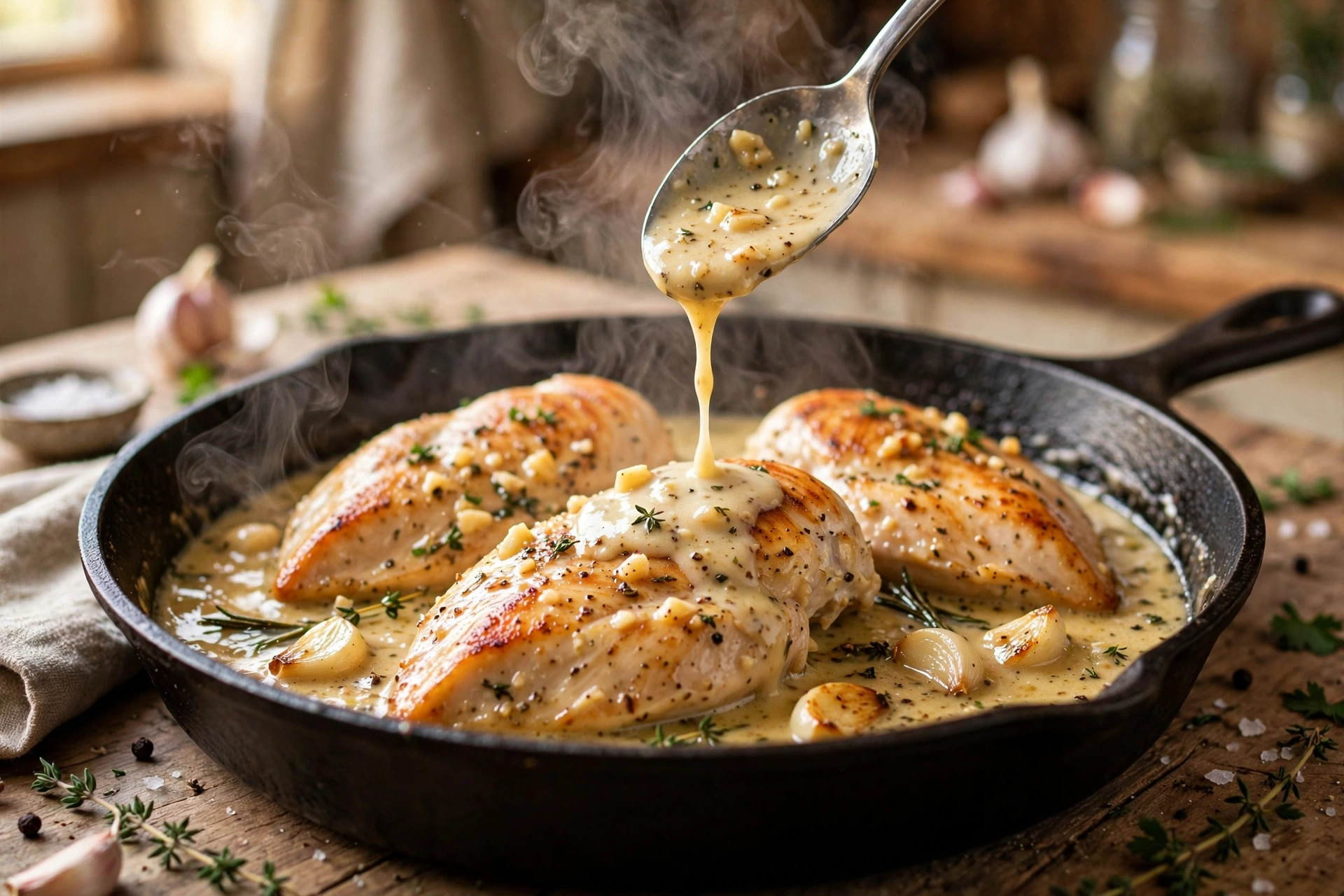
- Stir in the heavy cream and parmesan. Simmer gently for 3 to 4 minutes, stirring often, until the sauce thickens enough to coat the back of a spoon. Do not let it boil hard.
- Stir in the lemon juice. Taste and adjust salt and pepper.
- Return the chicken and any resting juices to the skillet. Spoon the sauce over the top and simmer for 1 to 2 minutes to warm through.
- Sprinkle with parsley and extra parmesan, and serve immediately with plenty of sauce.
Small Habits That Make a Big Difference
- Even thickness, again. We know, we already said it. It is genuinely the line between juicy chicken and dry chicken in any skillet recipe, so it bears repeating.
- Leave the chicken alone. Resist the urge to nudge it around. A proper golden crust needs undisturbed contact with the pan, and the chicken will release on its own when the crust is ready.
- Gentle heat for the sauce. A rolling boil can split a cream sauce and turn it grainy. A lazy simmer is all you need.
- Grate the parmesan yourself. The pre-shredded kind is dusted with anti-caking powder, and it melts into clumps instead of silk. Thirty seconds with a box grater fixes that.
- Want it to be a full one-pan meal? Stir 2 cups of baby spinach into the sauce with the cream and let it wilt down. Done.
Ways to Change It Up
- Thighs instead of breasts: Boneless, skinless thighs swap in beautifully. Give them 2 to 3 extra minutes per side; they are forgiving and stay extra juicy.
- Mushrooms: Sauté 8 ounces of sliced mushrooms in the pan after the chicken comes out, then fold them into the finished sauce.
- A Tuscan lean: Stir 1/3 cup of chopped sun-dried tomatoes in with the cream.
- Lighter sauce: Half-and-half can stand in for the cream if you whisk 1 teaspoon of cornstarch into the broth first, so the sauce keeps its body.
Keeping Leftovers Happy
Leftovers keep for up to 3 days in an airtight container in the fridge. One warning: cream sauces thicken as they sit, sometimes to the point of stubbornness. Reheat low and slow in a covered skillet with a splash of broth or milk, stirring until the sauce loosens and the chicken is hot all the way through. Freezing? Not our favorite move for a cream sauce, since it can separate as it thaws. If you freeze it anyway, thaw overnight in the fridge and reheat very gently, whisking as it warms.
What Belongs on the Plate Next to It
- Mashed potatoes or buttered egg noodles, because that sauce deserves a vehicle
- Steamed rice or a simple garlic rice pilaf
- Roasted green beans, asparagus, or a crisp green salad for contrast
- Warm crusty bread, for the last spoonfuls nobody wants to leave behind
Questions People Ask About This Chicken
Can I skip the cream and just use broth for a lighter sauce?
You can, though what you get is a thinner pan sauce rather than a creamy one. The better lighter version is half-and-half plus that teaspoon of cornstarch for body.
How do I keep the sauce from separating?
Keep the heat gentle once the cream goes in, and add the parmesan gradually while you stir. Runaway heat is almost always the culprit when a cream sauce breaks.
Can I make it ahead?
The chicken reheats well, so meal prep is fair game. For the freshest result, make the sauce on the day you plan to serve it and rewarm the chicken in the sauce.
What temperature should the chicken reach?
165°F in the thickest part, checked with an instant-read thermometer. Then let it rest a few minutes before slicing so the juices stay where they belong: in the meat.
A Closer Look at the Ingredients
- Chicken breasts: Pick breasts of similar size so they finish together. If one is much thicker, pound it a bit more or give it an extra minute. Chicken tenders work too and cook faster, about 3 to 4 minutes per side.
- Heavy cream: This is what makes the sauce feel luxurious. Half-and-half can replace it with the small cornstarch addition from the variations. Evaporated milk is another workable swap, and it resists splitting.
- Chicken broth: Low-sodium keeps things balanced, because the parmesan brings its own salt. In a real pinch, water with a pinch of extra salt works, though the sauce will taste a little less savory.
- Garlic: Use fresh, and use the full five cloves. That sounds aggressive, but garlic mellows into warmth once it hits cream. It becomes background music instead of a solo.
- Italian seasoning: A store-bought blend is completely fine. Or use 1/2 teaspoon each of dried oregano and dried basil.
- Lemon juice: Just a teaspoon, and only at the end. It will not make the sauce taste lemony. It keeps the richness in check and brightens the garlic.
Nailing the Doneness
Two minutes. That is usually the whole difference between good skillet chicken and great skillet chicken. Pull the chicken when the thickest part reads 165°F and let it rest on the plate while the sauce cooks; the temperature holds and the juices redistribute instead of running out onto the board. Planning to slice before serving? Slice against the grain, lay the strips back into the sauce, and you get a prettier plate plus a practical bonus: four breasts can stretch across five plates without anyone feeling shorted. Very large breasts are another story. Butterfly them into two thinner cutlets each and they will cook in about 4 minutes per side, with more golden surface per bite, which means more flavor per bite too.
Can I start with frozen chicken?
Thaw it first, ideally overnight in the fridge. Frozen chicken dumps too much water into a hot pan to sear properly, and the centers cook unevenly. In a hurry, a sealed bag under cold running water gets it done in about an hour.
My chicken came out dry even with the sauce. What happened?
Almost certainly, it cooked past 165°F before the sauce was ever made. A thermometer removes the guesswork. Also check the pounding: an uneven breast has a thin end that overcooks while the thick end is still finishing.
Leftovers Deserve a Second Act
Leftover chicken in garlic cream sauce is too good to serve the same way twice. Slice it and spoon it, sauce and all, over toasted sourdough for an open-faced sandwich. Or toss it with hot pasta and a handful of spinach, and the sauce quietly becomes a pasta sauce with almost zero extra work. It also makes a fine pot pie filling: fold in a cup of frozen peas and carrots, drape a sheet of puff pastry over the top, and bake at 400°F until golden. Whatever you do, warm the chicken gently and store it in its sauce. The sauce is both the flavor and the insurance against dryness. Wasting it would be the only real mistake available in this recipe.
The Recipe at a Glance
Prep time: 10 minutes
Cook time: 20 minutes
Total time: 30 minutes
Servings: 4
Cuisine: American
Course: Dinner
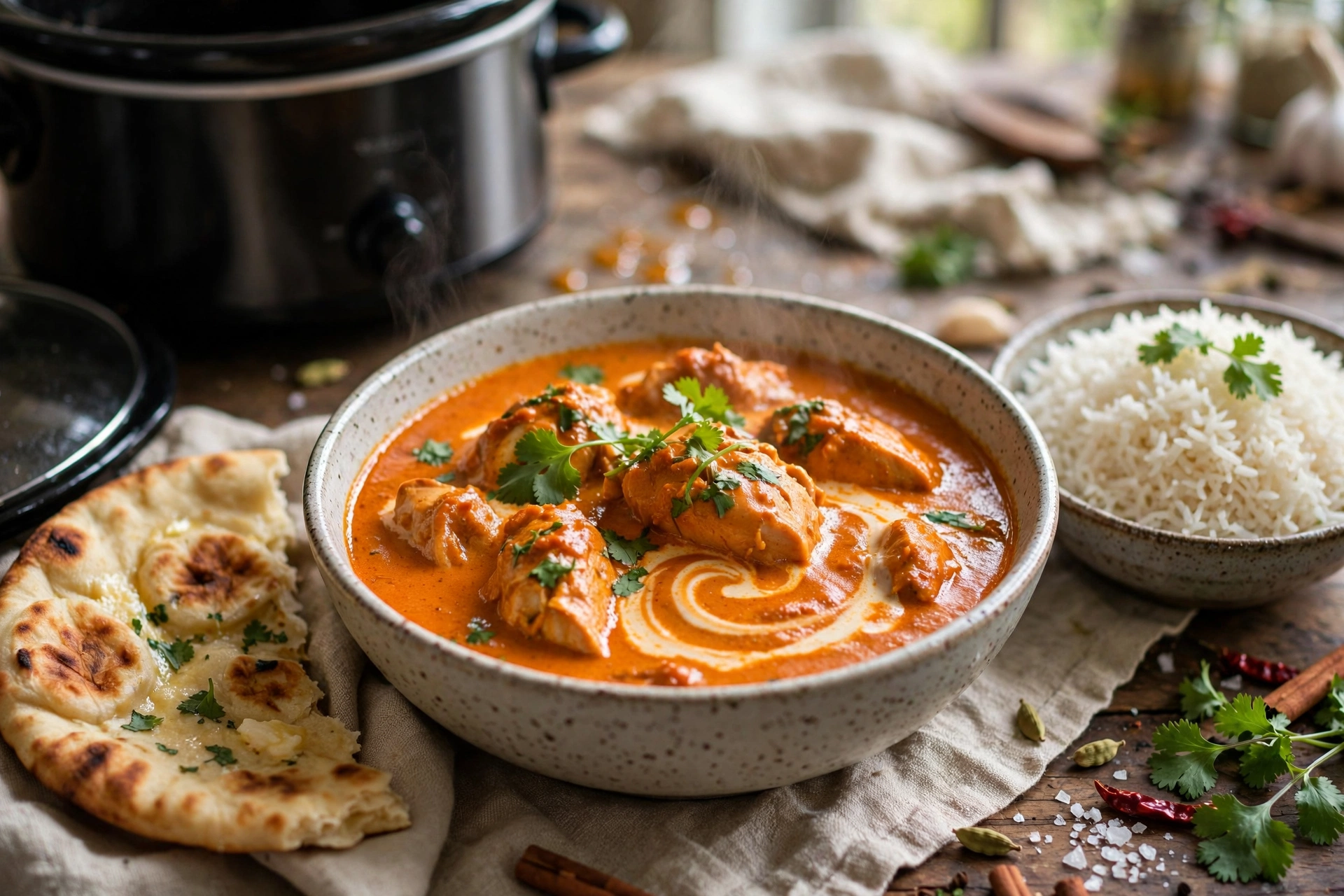
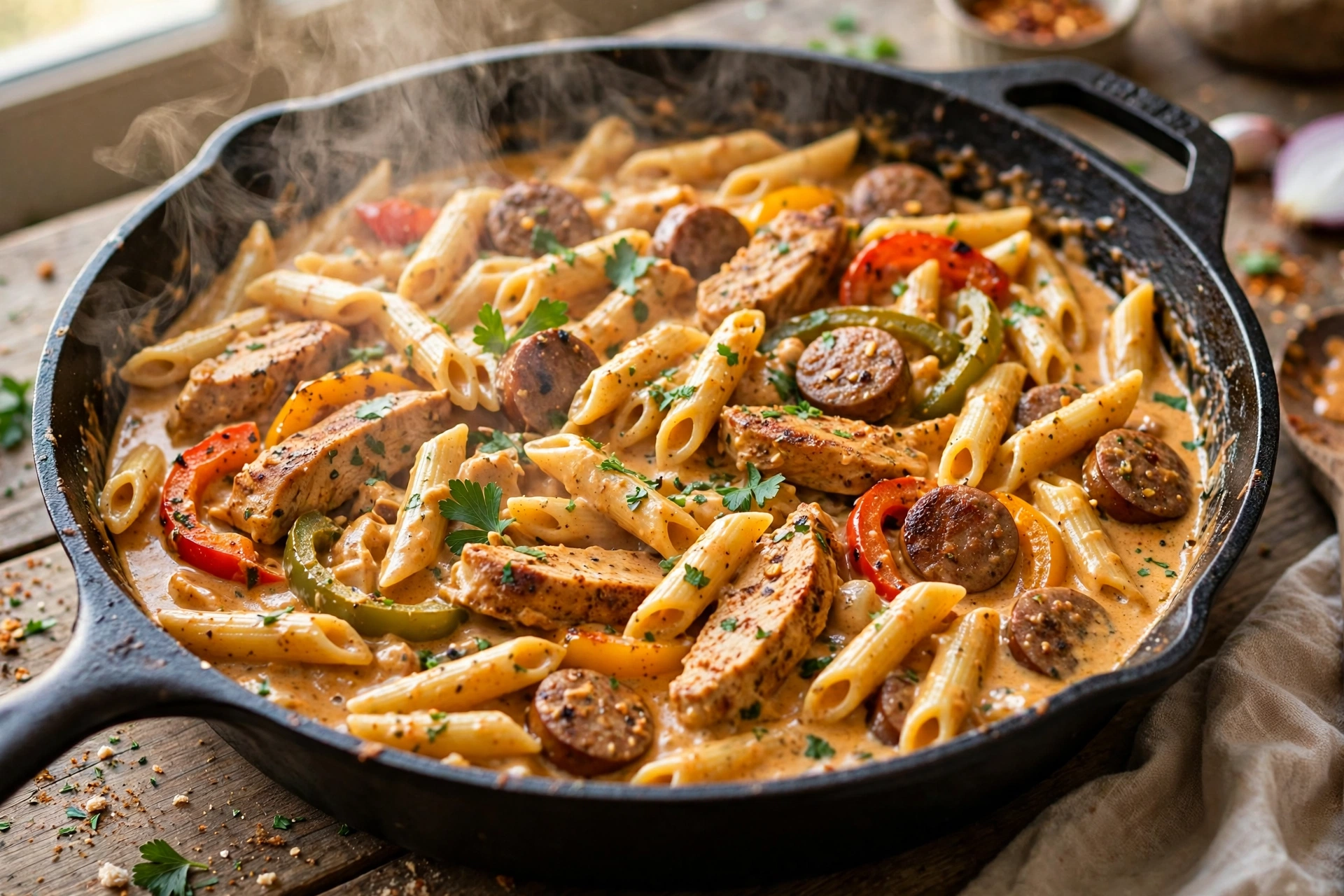
For more ideas in the same vein, take a look at Air Fryer Garlic Butter Chicken Bites — Crispy in 12 Minutes, One-Pan Honey Garlic Chicken and Potatoes and One Pot Creamy Cajun Pasta with Chicken and Sausage.

1 Comment